
Write visibly
The label has to be readable in low light, under steam, and from a step or two away. If the writing disappears into the surface, the system fails.
Operational guide
The marker question looks small until a busy station turns it into a bottleneck. If the writing smears, the label becomes useless. If the writing is too small, the cook has to stop and squint. If the wipe step takes too long, the band stops being a reusable system and turns back into a nuisance.
The system is deliberately simple: write on the band, wipe it clean, write it again. The marker's only job is to keep up.
The label has to be readable in low light, under steam, and from a step or two away. If the writing disappears into the surface, the system fails.
Use isopropyl alcohol on a cloth, let the surface dry, and then rewrite. Light cosmetic ghosting can remain with repeated use.
A label still has to make sense while someone is reaching, turning, or swapping bottles mid-service. Big, visible cues beat fine print.
Ghosting is normal cosmetic wear on silicone. Black ink is the baseline; colored oil-based ink can leave more visible traces.
Don't overcomplicate it. The band is a writable, wipeable surface; the marker is a tool, not a ritual. The whole point is fewer decisions on the line during service.
That is why the best marker system is the one everyone can follow under load. Keep the writing legible, keep the wipe cloth close, and keep the station standard the same tomorrow as it was today.
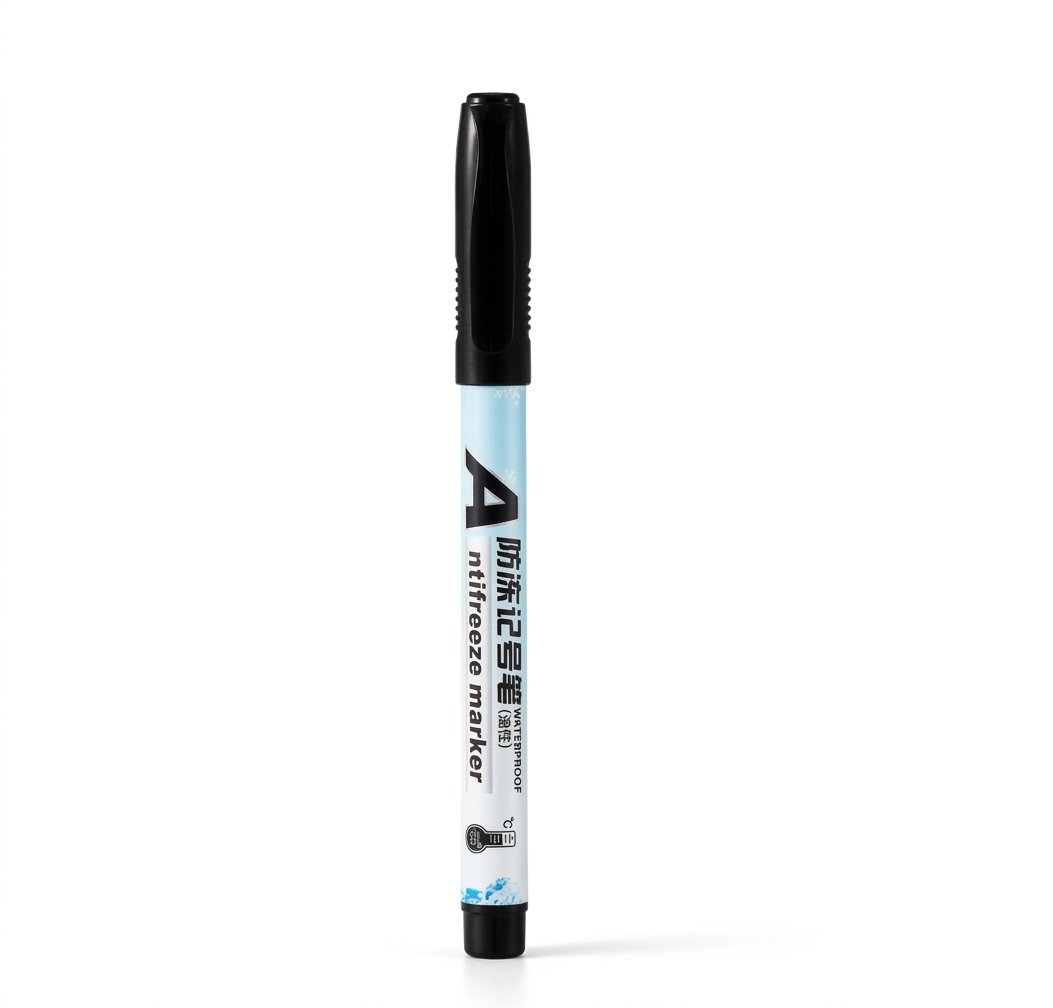
Use a black oil-based paint marker (sold separately) as the default. Remove the writing with isopropyl alcohol when contents change; light cosmetic ghosting can remain.
Use isopropyl alcohol on a cloth. Let the surface dry before rewriting. No exact removal time is promised, and light cosmetic ghosting can remain.
Because the line reads labels at a glance, from three feet away, mid-service. Big block letters beat neat cursive. If someone has to stop and squint, the label already failed.
Colored oil-based ink may leave more visible ghosting. Permanent marker is an optional longer-hold choice, but it can be harder to remove and may ghost more visibly. It is not literally permanent on silicone.
Compare all four sizes, pack counts, colors, and current Amazon availability.
Choose your bands